Aviation

Slide
Visual Aircraft Tracking

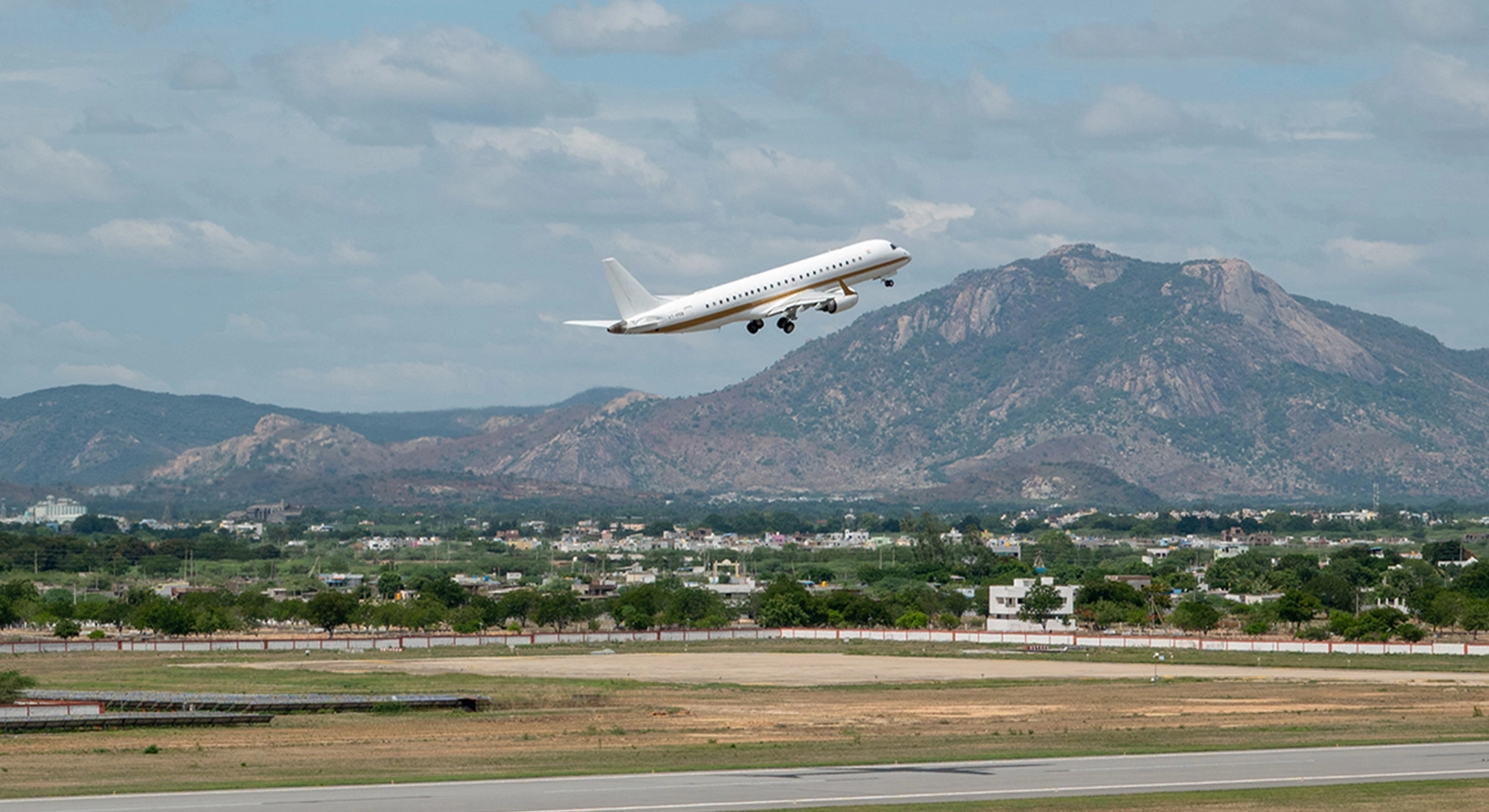
Visual Aircraft Tracking is an intelligent surveillance system which comes with inbuilt features such as AI-powered aircraft detection, tracking, and automated flight analytics for enhanced air safety, accident investigation, crew training, operational efficiencies, and audits.
AI-powered visual aircraft tracking system for aviation safety

Visual Aircraft Tracking

Visual Aircraft Tracking

AI-powered aircraft detection, tracking, identification, and recognition system designed to monitor aircraft during takeoff, approach, and landing operations. Operating seamlessly in day and night at ranges exceeding 10 km, it delivers real-time flight tracking, performance analytics, and high-resolution video evidence. Powered by proprietary AI algorithms, The system enhances operational safety, supports accident investigations, improves crew training, and provides actionable insights for airport and air force operations.

Key features

Airside Surveillance System

Airside Surveillance System

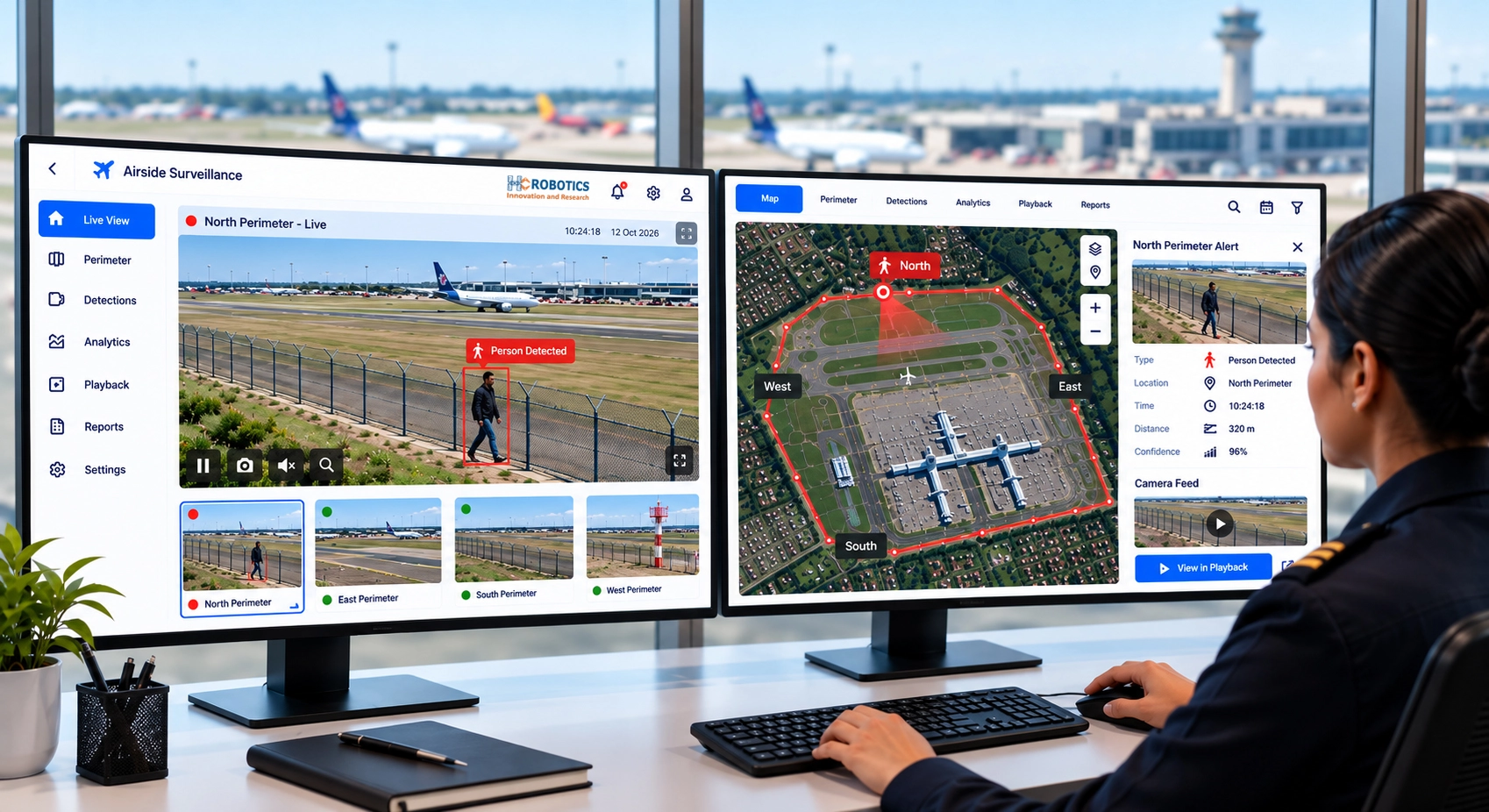
An AI-powerd airside surveillance and intrusion detection system that safeguards airfields, strategic installations, and security-sensitive zones through continuous monitoring and real-time threat detection. Leveraging advanced visual and thermal imaging sensors, The system automatically identifies intrusions, tracks activity, and generates instant alerts based on user-defined critical zones up to 600 meters. The system enhances situational awareness, strengthens perimeter security, and enables rapid threat mitigation with significantly reduced manpower requirements.

Key features

Wildlife Monitoring

Wildlife Monitoring

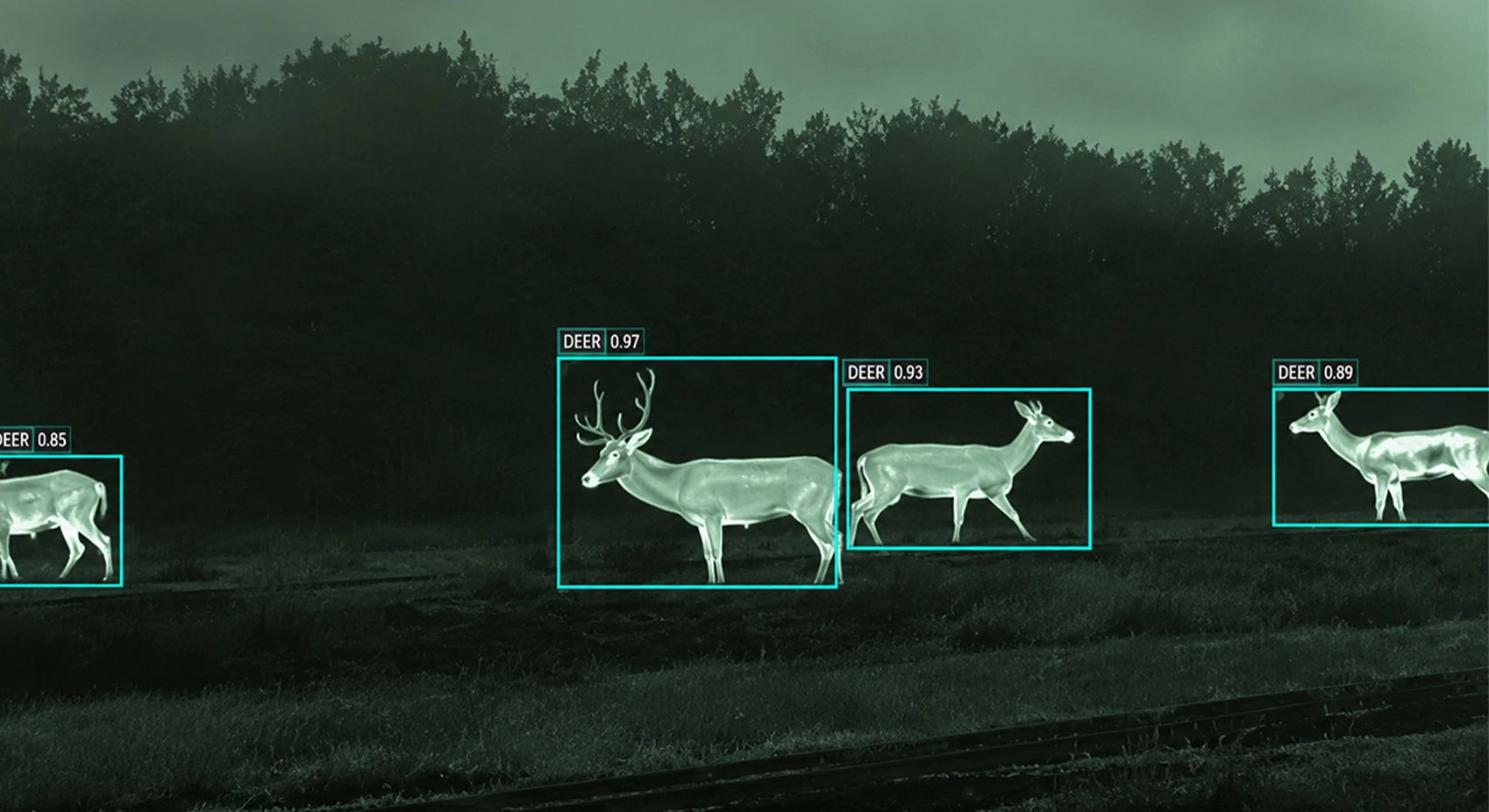
The Wildlife Monitoring System is an integral part of Airside Surveillance System. It promptly detects, classifies, and identifies animals, and birds intruding into AoI/AoV (Areas of interest and vulnerability). also enable with day and night accurate range and bearing information, be it from camera location, or from any other location designated by the operator. Aside from this, the system can accurately classify birds, drones, and any other intrusions. It alerts operators based on pre-designated critical zones in the airside, with specific directional coordinates.

Key features

FOD-M (Foreign Object Debris Mobile)

FOD-M (Foreign Object Debris Mobile)

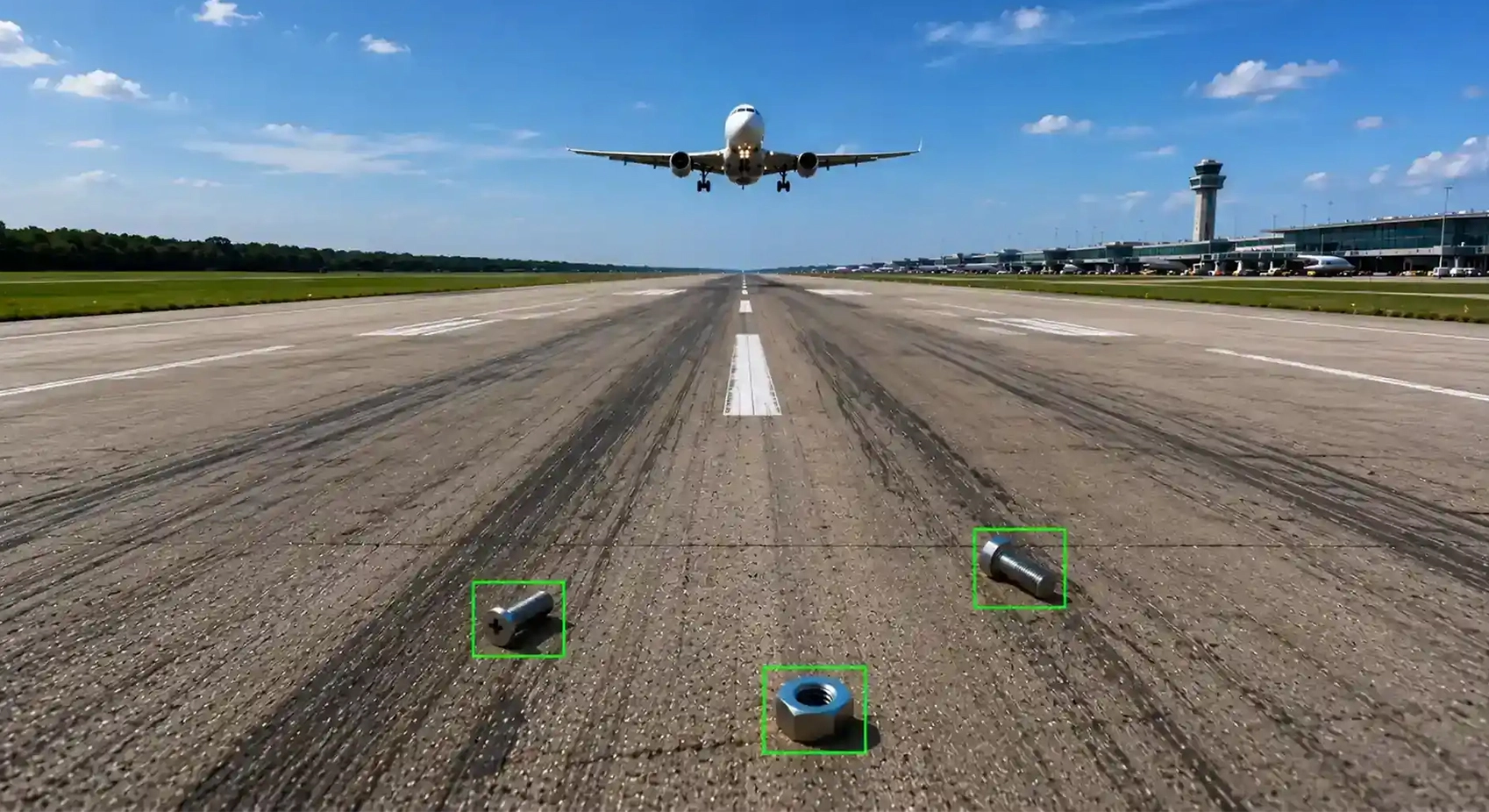
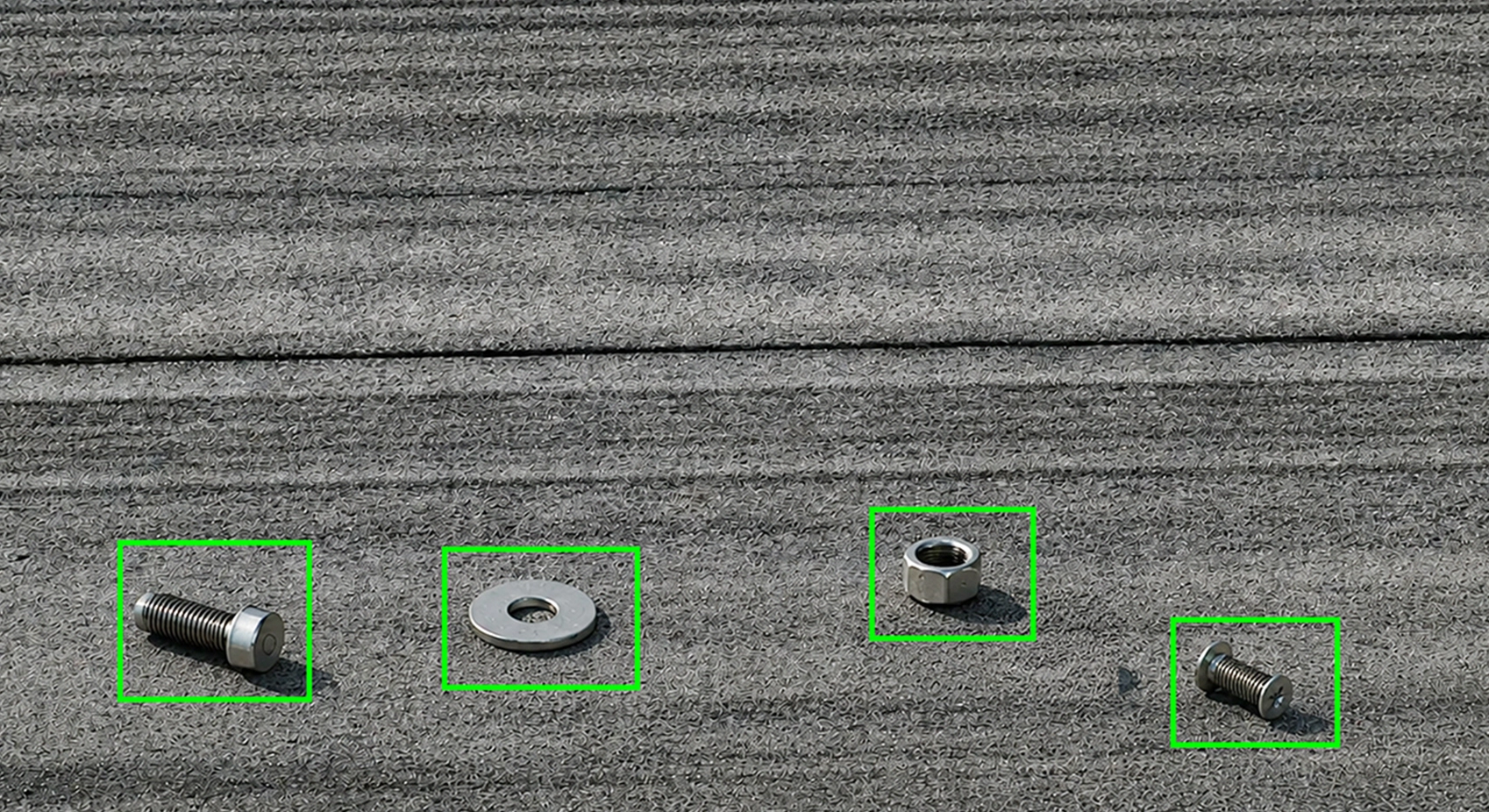
FOD-M mitigates aircraft damage caused by debris ingestion, a major contributor to most of runway accidents. Mounted atop a vehicle, it comes with an array of visual sensors / LiDAR sensors with onboard operator console, system server, and plies in the AoI (Area of Interest) for FOD detection. With a swathe upto 25m and approximate operational speed upto 25 kmph, a runway dimension of 3000 m x 45 m can be sanitized in about 15 to 20 minutes. It displays the detected FOD automatically on an FOD-M dashboard for the operator to correlate visually, thereby, facilitating assured pick-up.

Key features

FOD-S (Foreign Object Debris – Static)

FOD-S (Foreign Object Debris – Static)

The system delivers continuous AI-based runway surveillance for the detection of FOD. The sensor units are strategically installed beyond the Obstacle Limitation Surfaces (OLS) to ensure compliance with aviation safety regulations while maintaining operational coverage of designated runway zones and adjacent areas. Leveraging long-range electro-optical sensors and intelligent vision analytics, the system provides automated detection, classification, geo-tagging, timestamping, and real-time alerts to support faster response and safer airport operations.

Key features

ROT (Runway Occupancy Time)

ROT (Runway Occupancy Time)

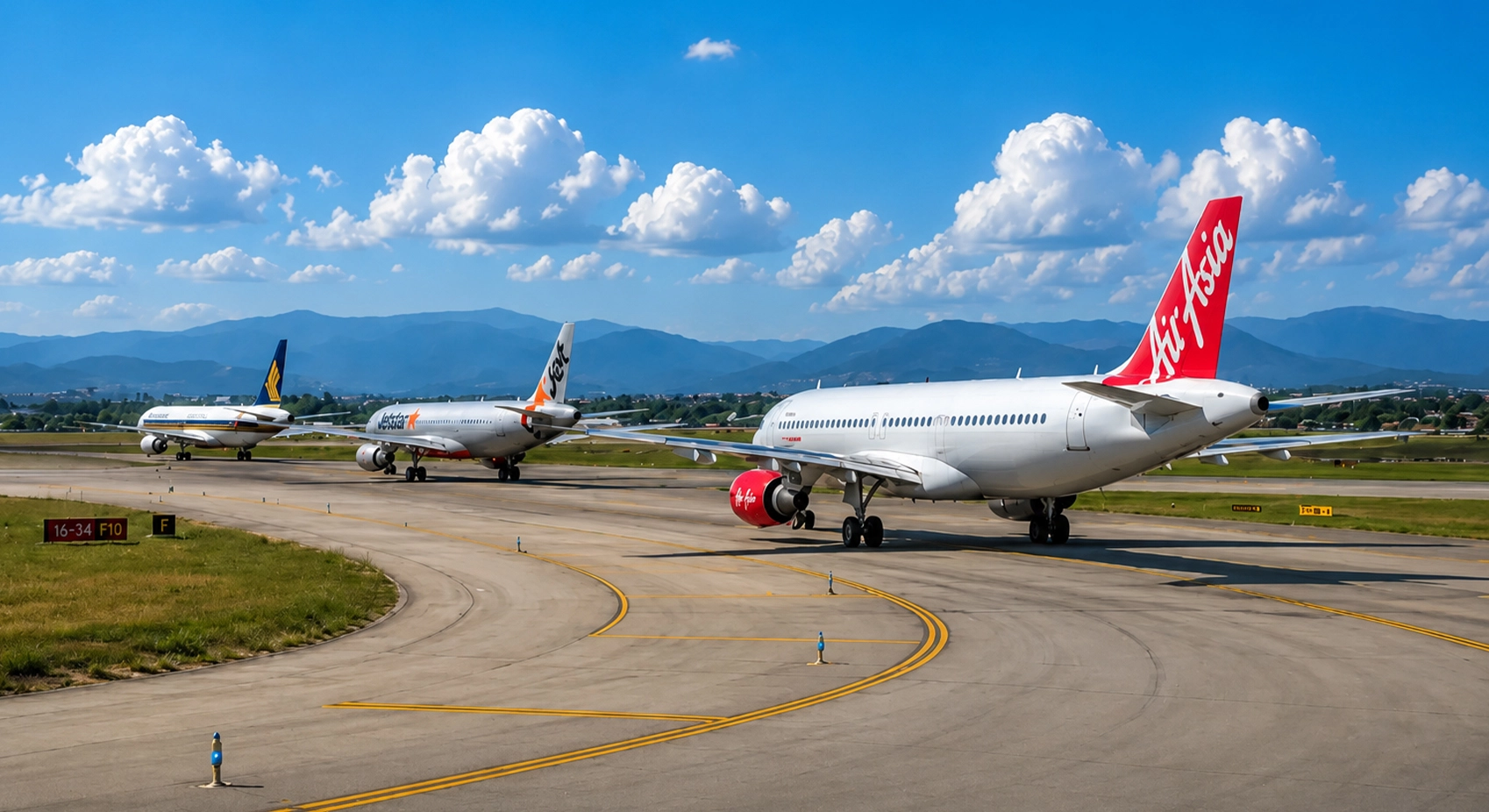
ROT suite is a frontline analytics decision support tool that allows for critical metric affecting aircraft separation, sequencing efficiency, slot allocation, and runway throughput at airports. ROT analytics provide accurate insights and timestamped operational data to support optimized air traffic flow. ROT Hybrid System from Vihang Aviation Inc. uses proprietary algorithms and applications to support runway management and operational reviews.

Key features

The Evolution of Aviation

Aviation has transformed global travel, making it faster and more efficient than ever. Modern aircraft incorporate cutting-edge technology for enhanced safety, fuel efficiency, and navigation. The industry is shifting towards sustainability with eco-friendly fuels and electric propulsion. Advanced air traffic control systems help reduce delays and improve flight operations. As innovation continues, aviation promises a future of safer, greener, and smarter air travel.

Let's Know Your Business Better

Phone Number

+91 40 49534555

Fax

+91 40 4994 8682